
What QR Menus Really Did to Customer Experience
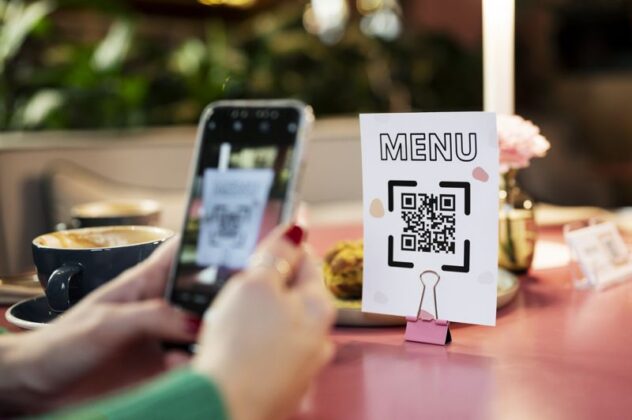
At first, QR menus felt like a temporary fix. A pandemic solution. A quick patch for an industry in survival mode. Scan the code, avoid touching things, keep the distance, move on. Simple.
But a few years later, they’re still here. And not quietly either. QR menus have reshaped how people interact with restaurants, pubs, cafés, and even farms. Not just how they order-but how they feel while doing it.
Which raises a bigger question: did QR menus actually improve customer experience, or did they just make things more efficient?
Because those two things aren’t always the same.
From Emergency Tool to Everyday Habit
QR menus didn’t enter hospitality because anyone was craving more screen time. They arrived because the industry had no choice. Lockdowns, hygiene concerns, staff shortages—restaurants needed a low-contact way to keep operating.
And for a while, it worked. People tolerated the friction. Some even liked it. No waiting for menus. No sticky laminated pages. No awkward eye contact while trying to flag down a waiter. Just scan and go.
But once the emergency passed, something interesting happened. The tech stayed. Even in venues that pride themselves on atmosphere and human connection.
Take LIVIN’Italy, a lively Italian eatery known for its fresh pasta, wood-fired pizzas, and warm, bustling environment. It’s the kind of place where people come for both the food and the energy—the chatter, the smells, the sense of being somewhere authentic. Yet even here, QR menus have quietly become part of the experience. The menu is still stellar, but the way you access it has shifted from a physical page to your phone.
A key takeaway is that QR menus didn’t just change logistics. They changed expectations. Customers now assume they’ll interact with their phone, even in spaces built for face-to-face connection. And that subtle shift has consequences.
The Upside: Speed, Control, and Less Waiting Around
Let’s be honest-QR menus do some things very well.
They’re fast. They reduce waiting time. They let customers browse without pressure. You don’t feel rushed by a server hovering nearby. You can scroll, compare, rethink, and change your mind without performing it in public.
Interestingly, this sense of control is one of the biggest psychological benefits. People feel more autonomous when ordering digitally. They’re less likely to feel judged. Less likely to ask “stupid questions.” Less likely to feel awkward.
For introverts, it’s a dream.
For busy lunch crowds, it’s efficient.
For venues with huge menus, it’s practical.
Some studies even suggest that digital menus increase average spend because customers see more items and upsells-photos, add-ons, suggested pairings. The interface nudges behaviour in ways humans rarely do.
Notably, QR menus also give restaurants something they’ve always wanted: data.
What people click. What they ignore. How long they browse. Which items convert. It’s basically Google Analytics for food.
From a business perspective, that’s gold.
The Downside: Less Human, More Transactional
But here’s where things get complicated.
Hospitality isn’t just about efficiency. It’s about atmosphere, warmth, rhythm, and timing. The subtle art of being looked after without feeling managed.
QR menus remove one of the oldest rituals in dining: the menu handover.
That moment where a server sets the tone. Explains specials. Reads the room. Adjusts their energy to yours.
Without that, the experience can feel flatter. More like ordering from an app than being hosted.
And people notice it-especially in places where service used to be part of the charm.
I once watched a couple sit in silence for ten minutes at a pub, both staring at their phones, trying to order drinks through a QR system that kept crashing. No menu. No bartender interaction. No reassurance. Just buffering.
They left.
Not because the beer was bad. But because the moment felt dead.
A key takeaway is that friction-free doesn’t always mean emotionally satisfying.
Sometimes a little friction is what creates connection.
When QR Meets the Real World: Farms, Families, and Expectation Gaps
The impact becomes even more obvious outside urban restaurants.
Take Bucklebury Farm, a popular family destination that often comes up when parents search for a farm near me for weekend trips.It’s not a tech-driven environment. It’s about animals, open air, ice cream, and kids running around.
Yet even in places like this, QR menus and digital ordering have crept in-mainly for cafés and food stalls.
And here’s where expectation clashes with reality.
Parents juggling toddlers don’t always want to scan codes, load slow web pages, or enter card details on patchy rural Wi-Fi. They want a human. A till. A quick transaction.
In theory, QR menus streamline the process. In practice, they sometimes add cognitive load where none was needed.
Interestingly, this reveals something important: QR menus work best in environments where customers already expect to use their phones.
City cafés? Fine.
Fast casual chains? Fine.
But in leisure spaces built around escape from screens, the tech can feel intrusive.
It’s not about age. It’s about context.
The Social Cost: Phones on Tables, Not People
One of the quietest changes QR menus introduced is how they altered table dynamics.
Before, menus acted as temporary props. You read them. You close them. You talk.
Now, phones stay on the table the entire time. Even after ordering.
Notifications creep in. Messages distract. Someone starts scrolling Instagram. The shared moment fractures.
And suddenly, dinner feels less like a social ritual and more like parallel screen time.
Sociologists have been warning about this for years-how phones erode micro-interactions. QR menus just accelerated the shift.
Not dramatically. Subtly. Almost invisibly.
But once you notice it, you can’t unsee it.
Pubs, Tradition, and the Limits of Automation
Nowhere is this tension more noticeable than in London’s traditional pubs. Take The Mitre, a historic spot near St Paul’s Cathedral, known for its low ceilings, old beams, and the kind of atmosphere that makes you feel like you’ve stepped back in time.
Introducing QR menus into a place like this creates a curious contrast. You’re surrounded by centuries of history, yet you’re ordering from a screen that could belong anywhere in the world. Functionally, it works. Emotionally, it feels different.
Pubs aren’t just about food and drink-they’re about connection, conversation, and feeling recognised. When ordering becomes entirely self-service, there’s a risk that hospitality starts to feel transactional. It’s efficient, yes, but the warmth and personal touch that make these spaces memorable can be harder to find.
So… Did QR Menus Improve Customer Experience?
The honest answer: yes and no.
They improved speed. Reduced errors. Gave customers more control. Provided businesses with valuable data.
But they also removed moments of human connection. Increased screen dependence. Flattened emotional texture.
And most importantly-they standardised experience across wildly different spaces.
A beer hall. A farm café. A historic pub. All now use the same interaction model: scan, scroll, tap, pay.
From a design perspective, that’s elegant.
From a cultural perspective, it’s a little sad.
Because part of what makes hospitality meaningful is that it’s not uniform. It’s local. Messy. Personal. Shaped by people, not interfaces.
The Future Isn’t No Tech – It’s Better Balance
The real lesson isn’t that QR menus are bad. It’s that technology works best when it supports experience, not replaces it.
The most successful venues now use QR as an option, not a requirement. A tool for convenience, not a barrier to service.
You can still ask questions. Still talk to staff. Still get recommendations.
You just also have a digital backup if you want it.
That balance feels right.
Because at the end of the day, people don’t go out to eat for efficiency. They go for atmosphere, connection, and a break from the digital noise of daily life.
And if hospitality becomes just another app, it risks losing the very thing that made it special in the first place.
Conclusion: QR Menus Changed Behaviour More Than They Changed Dining
QR menus didn’t kill hospitality. But they reshaped how people behave inside it.
They made ordering faster. But they also made interactions quieter. More isolated. More individual.
They solved practical problems. But introduced emotional ones.
And now that they’re no longer necessary, the industry faces a choice: keep automating, or start rehumanising.
The best experiences moving forward won’t reject technology-but they’ll use it carefully. Thoughtfully. With restraint.
Because convenience is easy to build.
But comfort, connection, and atmosphere?
Those still require people.